The Road Engineering, Geotechnics and Materials Research Group (CGM) is a multidisciplinary research group founded in 2009, based at the School of Civil Engineering (Escuela Técnica Superior de Ingeniería de Caminos, Canales y Puertos) of the Universidade da Coruña (UDC).
CGM is composed of researchers affiliated with the CITEEC (Technological Research Centre for Building and Civil Engineering) and conducts research in the field of civil engineering, with a particular focus on road engineering, geotechnics, and construction materials. The group combines fundamental and applied research, with a strong commitment to innovation, sustainability, and knowledge transfer to industry and society.
The scientific excellence and development potential of the CGM have been formally recognised through its classification as a Group with Growth Potential in the regional evaluation calls of 2014, 2017 and 2022, consolidating its position as a leading research group in civil engineering.

The CGM focuses its activity on research, technical assistance and advice to companies and institutions and teaching.
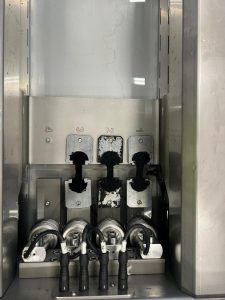
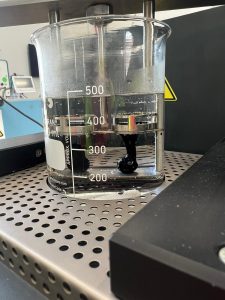
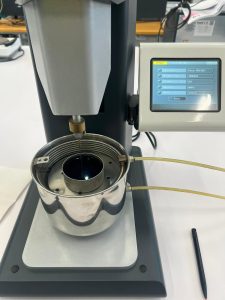
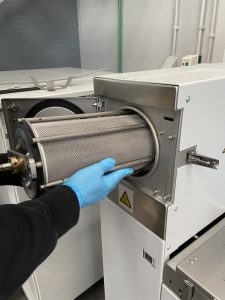
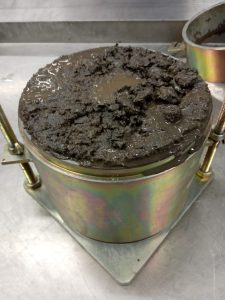
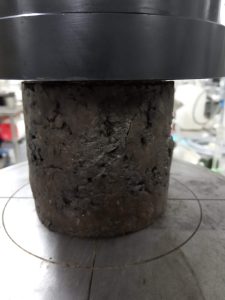
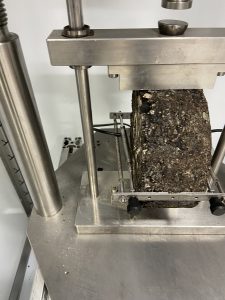
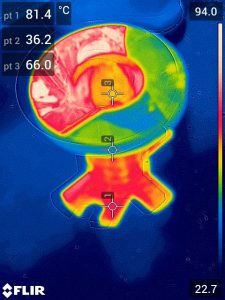
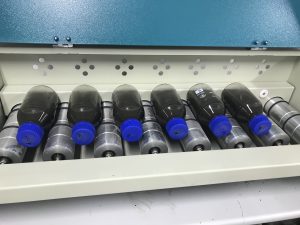
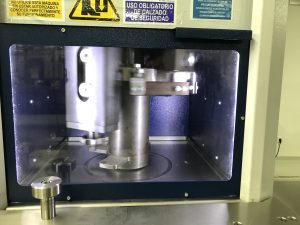
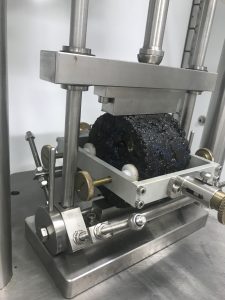
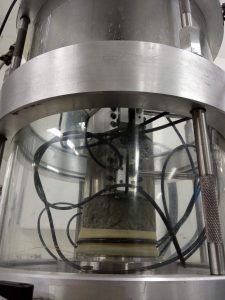
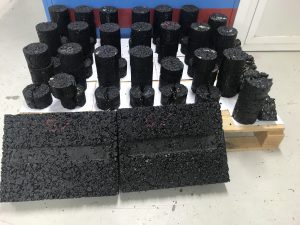
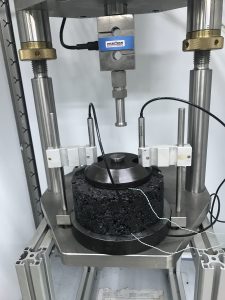
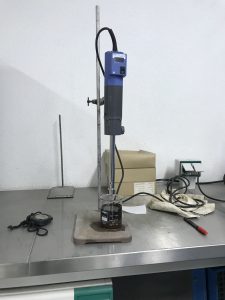
In the field of road engineering, the CGM focuses on the development and characterisation of paving materials that promote environmental sustainability, the circular economy and the mitigation of climate change. To this end, the group is supported by two specialised facilities—the Roads Laboratory and the Roads and Geotechnics Laboratory—equipped with advanced technology for the experimental study of bituminous mixtures (Cooper NU 14 mixer, static and hydraulic presses, gyratory compactor, automatic mixer, ovens, water baths, among others) and bituminous binders (DSR, BBR, ductilometer, PAV, RTFOT, ring and ball softening point, penetration tests, etc.).
The research team is composed of Full Professor Dr Ignacio Pérez Pérez, Full Professor Dr Ana Mª Rodríguez Pasandín, several undergraduate and postgraduate students, and includes the external collaboration of Dr Pablo Orosa Iglesias, Research Assistant Professor at Purdue University (USA). CGM has extensive expertise in hot-mix asphalt, warm and half-warm mix asphalt, cold-mix asphalt, cold in-place recycling, and bio-based binders, enabling the group to provide high-level technical consultancy, as well as to design and conduct comprehensive laboratory testing campaigns and perform rigorous analysis and discussion of results for a wide range of bituminous materials.
In the field of geotechnical engineering, CGM carries out an intensive research activity focused on the analysis and design of underground excavations, with particular emphasis on tunnels excavated using Earth Pressure Balance (EPB) tunnel boring machines. The group’s work is underpinned by advanced numerical modelling, making extensive use of state-of-the-art software such as FLAC 3D and PLAXIS, which enables the rigorous analysis of complex soil–structure interaction problems.
The main research lines include rheological modelling of soils, the study of soil dynamic behaviour, and the application of advanced constitutive soil models, allowing for a realistic and reliable representation of ground response under different loading and construction conditions.
In addition to its strong scientific output, the geotechnical area of CGM maintains close collaboration with industry, being actively involved in numerous applied projects and engineering consultancy works. This strong link between high-quality research and professional practice positions CGM as a highly regarded partner in geotechnical and tunnelling engineering.
In the field of Materials Science, CGM carries out a strongly cross‑cutting research activity, based on close collaboration with a wide range of national and international research groups. This research area integrates knowledge and methodologies from different disciplines, enabling the group to address complex scientific challenges through a multidisciplinary and highly specialised approach.
Research activities cover a broad spectrum of materials and topics, including surfactants, different types of materials, the interaction between materials and the environment, metallic alloys, corrosion processes, among other areas of scientific and technological relevance. This thematic diversity enhances CGM’s capacity to contribute to innovative and high‑impact research activities.
A key strength of this research line is its strong international collaboration, particularly with research groups in Portugal, resulting in joint scientific publications and research stays.